Choosing the Right Wood Species for Hardwood Floors Installation
People searching for hardwood floor installation are often trying to choose the right wood species, and local contractors can help select and install the best options.
Selecting the right wood species for hardwood floors installation is a key step in achieving a beautiful, durable, and functional flooring solution. Property owners in the area often explore this topic to ensure their new floors complement their space’s aesthetic while standing up to daily wear and tear. Understanding the differences between various types of wood can help homeowners make informed decisions that match their lifestyle and design preferences. Local contractors who specialize in hardwood floor installation can offer valuable insights into the best options based on your specific needs, ensuring a seamless and successful project.
As you consider which wood species to choose, it’s important to weigh factors such as hardness, color, grain pattern, and maintenance requirements. These practical considerations can impact the longevity and appearance of the floors over time. Connecting with experienced service providers in the area can help clarify these choices and guide you toward the best material for your environment. Whether you’re updating an existing space or installing new floors, understanding the nuances of different wood types can make a significant difference in the outcome of your hardwood flooring project.
- Homeowners considering different wood options for hardwood floors installation often seek guidance from local contractors to select the most suitable species for their space. - When choosing the right wood species for hardwood floors installation, clients rely on local service providers to advise on durability and appearance based on their lifestyle needs. - Those replacing or upgrading existing flooring may consult local pros to determine which wood species will best match their aesthetic preferences and structural requirements. - For new construction projects, homeowners often work with local contractors to identify the ideal wood species that complement their interior design and usage expectations. - Individuals interested in customizing their hardwood floors often seek expert input from local service providers to ensure the selected wood species aligns with their functional and visual goals.
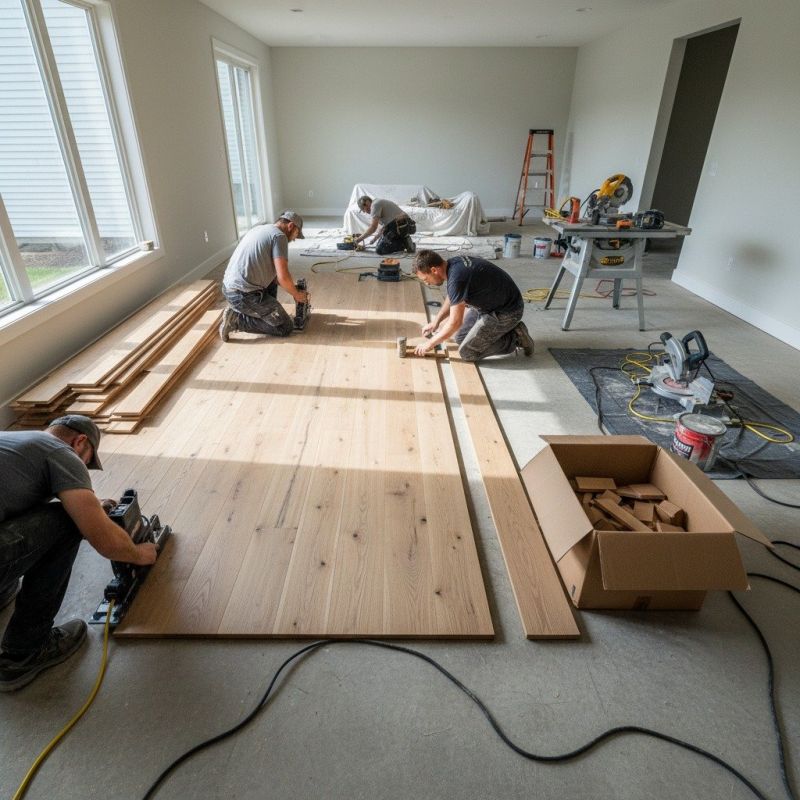

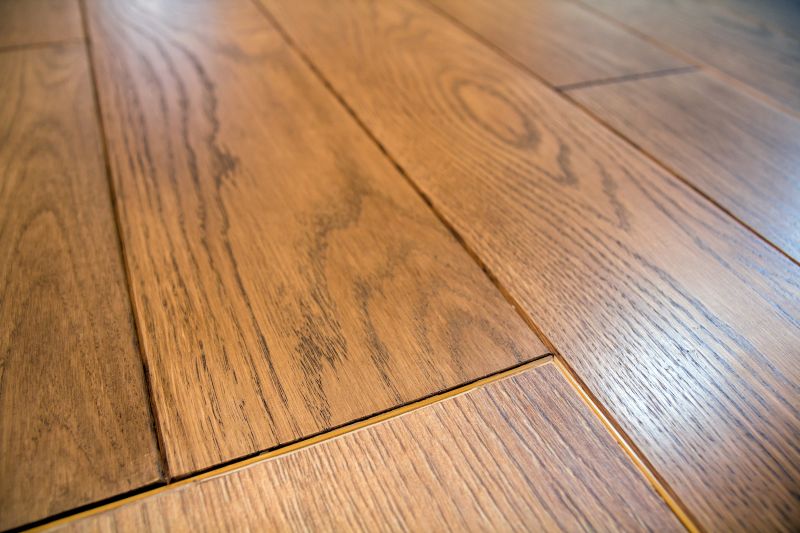
When people search for choosing the right wood species for hardwood floors installation, they are often looking for guidance on selecting the most suitable type of wood to match their home's style, durability needs, and personal preferences. This topic typically comes up during planning stages of a flooring project, whether homeowners are replacing existing floors or installing new ones in a renovation. The goal is to find a wood that not only looks appealing but also performs well over time, resisting wear and tear in the specific environment of the property. Understanding the different species helps homeowners make informed decisions that align with their lifestyle, whether they prioritize appearance, longevity, or ease of maintenance.
This subject is closely related to common problems and plans associated with hardwood flooring projects. For example, homeowners may worry about scratches, dents, or fading, especially in high-traffic areas or homes with pets and children. Others might be considering how the wood will age or whether it will match existing décor or other design elements. Planning for a durable, attractive floor involves choosing a species that can withstand daily use while maintaining its visual appeal. Local service providers who specialize in hardwood floor installation can advise on the best wood options for these specific concerns, ensuring that the selected species fits the property's needs and the homeowner’s expectations.
The types of properties that frequently involve choosing the right wood species for hardwood floors installation vary widely. Residential homes, especially those with open living spaces, kitchens, or entryways, often require durable and aesthetically pleasing options. Apartments and condos might lean toward softer woods or engineered flooring for easier installation and maintenance. Commercial properties, such as offices or retail spaces, demand species that can endure heavy foot traffic without significant damage. Each property type presents its own set of considerations, and local contractors can help identify the best wood species based on the property's size, usage, and style, ensuring the finished floors meet both functional and visual goals.
Ultimately, selecting the right wood species for hardwood floors installation is a key step in achieving a long-lasting, beautiful floor that enhances the property's appeal. Local flooring professionals are equipped to guide homeowners through the decision-making process, offering insights into the characteristics of different woods and how they perform in various environments. They can help interpret how specific species will look once installed, how they will age over time, and what maintenance might be required. By working with experienced service providers, homeowners can make confident choices that align with their project plans, property type, and personal preferences, leading to a successful flooring upgrade that complements their space.
Custom flooring projects - professionals experienced in selecting appropriate wood species can help ensure the material aligns with the specific design and durability needs of custom flooring installations.
Wood repair and refinishing - understanding different wood types is essential for matching existing floors and achieving seamless repairs during refinishing services.
Commercial flooring installations - local contractors skilled in choosing durable wood species can recommend options that withstand high traffic and meet business requirements.
Subfloor preparation and leveling - proper planning of wood species can facilitate better installation and longevity, especially when preparing subfloors for hardwood flooring.
Flooring removal and replacement - experience in selecting suitable wood helps ensure the new flooring integrates well with the existing space and meets performance expectations.
Underlayment and moisture barrier installation - choosing the right wood species can influence the selection of underlayment materials to prevent issues like warping or moisture damage.
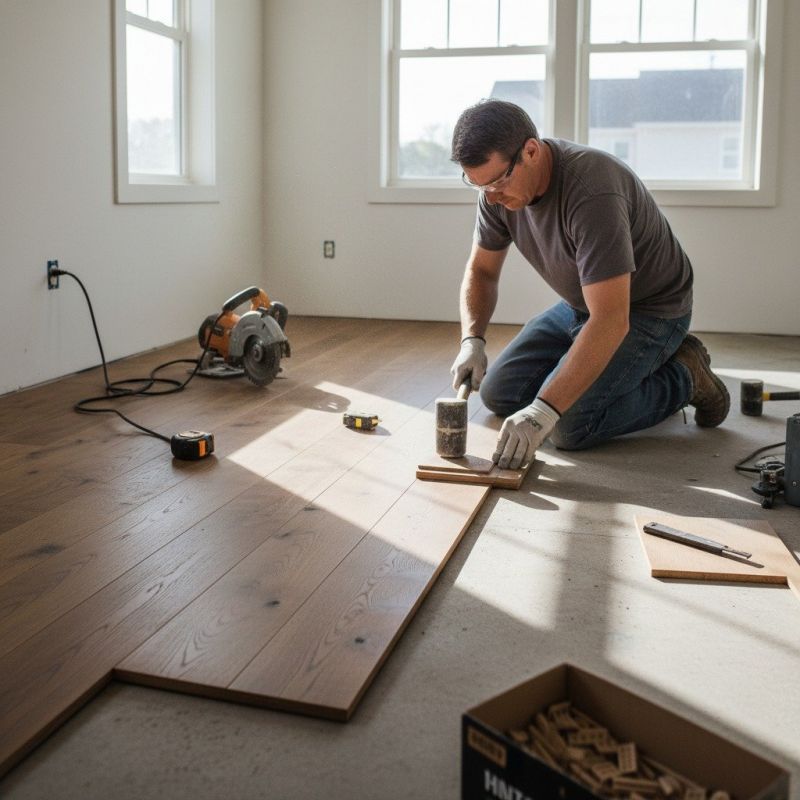
When evaluating service providers for hardwood floor installation, it’s important to consider their experience with similar projects, particularly those involving the installation of specific wood species. Contractors who have a history of working with a variety of wood types are more likely to understand the unique characteristics and installation requirements of each, helping ensure the chosen wood species will perform well in the homeowner’s space. Reputable local contractors can often provide references or examples of past work that demonstrate their familiarity with different wood varieties, giving homeowners confidence in their ability to handle the nuances of choosing and installing the right wood for their needs.
Clear, written expectations are essential when comparing local pros for hardwood floor installation. Homeowners should seek detailed proposals that outline the scope of work, including the specific wood species to be used, preparation steps, and finishing details. Transparent communication about what is included in the project helps prevent misunderstandings and ensures that both parties are aligned on the desired outcome. Service providers who articulate their process and expectations in writing can make it easier for homeowners to compare options and select a professional who is attentive to their preferences and needs.
Good communication is a key factor when choosing local contractors for hardwood floor installation. Service providers who are responsive and willing to answer questions about different wood species, installation techniques, and maintenance can make the decision-making process smoother. Effective communication also extends to how well they listen to homeowner concerns and preferences, which is especially important when selecting the right wood for durability, appearance, and suitability to the space. Contractors who prioritize clear dialogue and provide thorough explanations are more likely to deliver a successful installation that meets expectations.
Property owners often search for choosing the right wood species for hardwood floors installation when they are planning practical projects around their homes and businesses. Local pros provide Hardwood Floor Installation services for everyday jobs and straightforward project options.
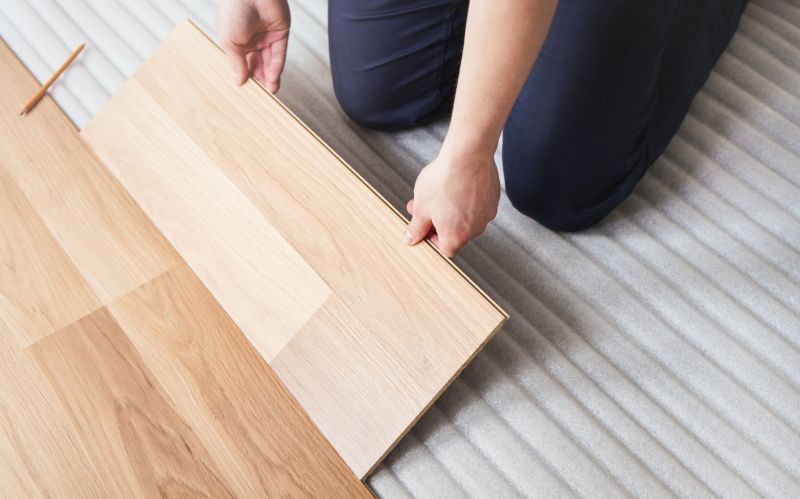
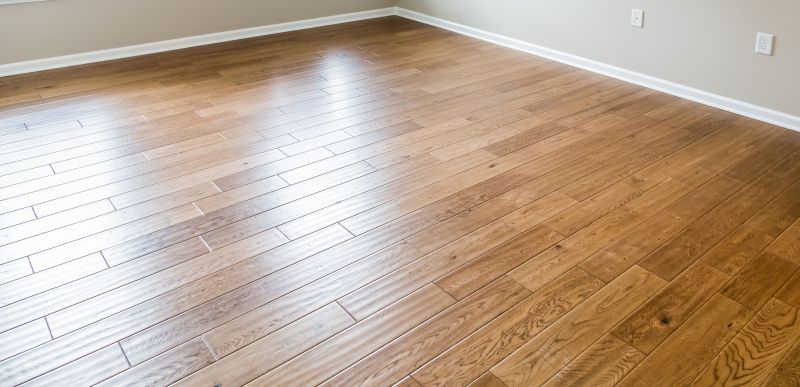
Choosing the right wood species for hardwood floors installation is a common consideration for property owners looking to enhance the beauty and durability of their homes. Many people in the area seek guidance on selecting a wood type that aligns with their lifestyle, aesthetic preferences, and the level of foot traffic in their spaces. Local contractors can provide valuable insights into the characteristics of different wood species, helping property owners make informed decisions that match their needs and expectations.
Property owners often explore this topic to ensure their new floors will withstand everyday wear and tear while maintaining their appearance over time. Whether prioritizing hardness, color, or grain pattern, working with experienced service providers can simplify the process of choosing the most suitable wood species. These local specialists can recommend options that fit both the functional requirements and visual style of the property, making them a helpful resource for those considering hardwood floor installation.
What factors should be considered when choosing a wood species for hardwood floors installation? Factors such as durability, appearance, and suitability for the specific environment are important. Local contractors can help assess these aspects to recommend the best options for each space.
How does the hardness of a wood species impact hardwood floor installation? The hardness determines how well the wood resists dents and wear over time. Local service providers can advise on selecting a wood species that balances aesthetics with durability for the intended use.
Are certain wood species better suited for high-traffic areas? Yes, some species like oak and hickory are more resistant to damage and ideal for busy areas. Local pros can guide homeowners in choosing a species that withstands heavy foot traffic effectively.
Can the appearance of different wood species influence the choice for hardwood floors? Absolutely, wood species vary in grain pattern and color, affecting the overall look. Local contractors can help select a species that complements the interior style and personal preferences.
How important is moisture resistance when selecting a wood species for hardwood floors? Moisture resistance is crucial in areas prone to humidity or spills. Local service providers can recommend suitable wood species that perform well in such conditions to ensure long-lasting floors.
Understanding wood hardness - selecting a wood species with appropriate hardness can help ensure durability in high-traffic areas of a home or commercial space.
Matching wood color and grain - choosing a wood species that complements the interior design can create a cohesive and appealing look for the flooring project.
Considering wood stability - opting for species that resist expansion and contraction can reduce issues related to moisture changes in the installation environment.
Assessing maintenance needs - selecting a wood type that aligns with the desired upkeep level can make ongoing care easier for everyday living spaces.
If you are thinking about choosing the right wood species for hardwood floors installation for a property, this guide is meant to help you understand this topic, the typical project types, and how different options might fit your plans.
When you are ready, you can use the quote form on this page to share a few details about your project. From there, local pros can review the basics and follow up with options that match what you have in mind.